
A nickname can belong on your pet’s urn if it feels true to the bond you shared. The most meaningful pet urn inscription ideas start with a name or nickname that brings your companion to mind, then add a few words honoring their personality or place in your family.
It’s natural to want an inscription that feels personal while staying clear and concise. Shape a message around your pet’s habits, choose spiritual or relationship-centered wording, and decide whether dates or a familiar nickname feel right.
Every companion leaves different memories. This guide explores wording for horses, birds, rabbits, and smaller pets, as well as dogs and cats. Whether you prefer a quiet tribute or a phrase that captures your pet’s character, the right words can offer a lasting reminder of the life you shared.
Key Takeaways
- Choose a name or nickname that feels true to your relationship, then pair it with a detail that reflects your pet’s character.
- Keep the wording focused when engraving space is limited, and let the pet’s name or a brief phrase carry the meaning.
- Consider a prayer, verse, or spiritual sentiment that reflects the beliefs and comfort you want the memorial to hold.
- Build a simple inscription from a name, dates if desired, and a short phrase about your bond.
- Look beyond familiar dog and cat tributes: a pet’s species, habits, and place in your life can guide wording for horses, birds, rabbits, and small pets.
1. Personalizing inscriptions to a pet's personality
Start with one detail that brings your companion to mind, such as a playful habit or favorite place. A message can honor how much your pet meant to you and reflect the character you knew every day. For example, “Milo, our sunny-window dreamer” feels more personal than a tribute that could suit any animal. A nickname works, too, if it’s the name your family used with affection.
Try a short writing exercise before settling on the final words. Note a favorite memory, a habit, a phrase your family shared, and a quality you loved. If Bella greeted everyone at the door, “Our joyful welcome” might capture her spirit. If Jasper always curled up beside you, “Keeper of quiet evenings” can hold that memory in a few words.
- For a lively companion, try “Always chasing the next adventure” or “Our little whirlwind.”
- For a gentle, cuddly animal, consider “Beloved lap companion” or “Soft paws, endless comfort.”
- For a clever pet with a familiar routine, use “Master of the morning treats.”
- For an independent spirit, choose “Free-hearted friend” or “Forever on your own path.”
Personalize the message with a family saying, an inside joke, a familiar phrase, or a symbolic word. “Still waiting for the last bite” might bring a particular meal to mind. A word like “Wonder” may suit a curious pet, while “Home” can express the comfort your companion brought. Choose language your household recognizes, not a phrase that feels borrowed.
Engraving, etching, and laser personalization describe different ways to add words or symbols to a memorial surface. The appearance can vary, so settle on the wording and design before choosing how to present them. A paw print beside a name, a heart after a nickname, or a bone beside “Best friend” can connect the tribute to your animal. Let symbols support the message rather than crowd it.
Read the proposed inscription aloud as if speaking directly to your companion. If “Pip, our brave little explorer” sounds like something your family would say, it may be the right fit. If it feels too formal, shorten or soften it. These pet urn inscription ideas are starting points; the most personal choice is the detail that brings your own memories of your pet into focus.
2. Short inscriptions for limited engraving space
Before ordering a custom inscription, check the urn’s character limit, line breaks, spelling, dates, and material. Read the complete message as it will appear to make sure the meaningful phrase stays clear in its final format.
Space varies by urn size and material. Metal urns are listed as accommodating 80-120 characters, while smaller urns typically allow 50-100 characters. Wooden urns accommodate 150-200 characters, ceramic urns 180-220 characters, and marble urns 200-250 characters. Larger urns can accommodate 200+ characters. Treat these as material and size guides, then tailor the wording to the specific surface.
For a compact tribute, select one main thought instead of squeezing several sentiments together. “My Best Friend” expresses a relationship in three words. “Bella, forever loved” gives a name and message, while “Rest easy, Max” offers a quiet farewell. Keep most inscriptions to one to three short lines for legibility. Pet urns and plaques usually have space for two to four lines, and each line can stay under 8-10 words.
A pet memorial plaque follows the same principle: give the name prominence, then add a brief phrase or dates if desired. For example, “Luna / Our gentle companion” uses two lines without competing messages. Under 10 words is a useful limit when space is tight. If a plaque also carries symbols, such as a paw print or heart, keep the text shorter so each element remains distinct.
Font size affects how easily the inscription can be read. Recommended sizes are 0.25-0.5 inches for wood, 0.25-0.375 inches for metal, 0.375-0.5 inches for marble, and 0.3-0.5 inches for ceramic. A small keepsake urn, typically 3 inches, has less engraving space than a larger urn. Choose a simple layout, such as a centered name above one short line, rather than adding text that must appear very small.
An inscription can give a memorial a clear focal point: a name, a relationship, or a few words that make the urn feel personal to your family. Often, the best choice is the phrase you want to see and remember, such as “Always beside us.” Keep the wording clear enough to read as part of a display or shelf arrangement.
Before finalizing, compare the message against the available character and line limits, then review every letter and date. Explore memorial urn options as you consider which size and material suit the tribute you have in mind.
3. Religious and spiritual pet memorial wording
A spiritual inscription can reflect your beliefs, your pet’s place in your life, or both. You might choose a prayer, a verse, or an original phrase that brings comfort when you see the urn. A meaningful line needn’t explain the full weight of your loss. “Loved beyond words, held in peace” offers a simple tribute without tying it to a specific faith.
If a passage from your tradition matters to you, choose words you already know and find comforting. For example, the line from the 23rd Psalm, “The Lord is My Shepherd, I Shall Not Want,” can serve as a classic memorial inscription. Another suggested line is “And He Has Made Me Blessed Wherever I Am,” from Quran 19:31. These examples represent different faith traditions; select wording that feels appropriate to your own beliefs.
Inspirational pet memorial quotes can also focus on the bond between a person and an animal. Consider a short phrase such as “Your love remains our home” or “Together in every memory.” These are original examples, not quotations from a named writer. If you prefer an existing poem or author, choose a brief passage that carries personal meaning, then make sure it fits the engraving space.
You can honor the human-pet bond directly, without spiritual language. “My faithful companion,” “You made every day brighter,” or “Forever part of our family” names the relationship clearly. For a cat, try “Our gentle shadow,” “Queen of the windowsill,” or “Loved in every quiet moment.” A phrase tied to a cat’s familiar presence can feel more personal than a general line about loss.
Consider how the inscription will fit into a cremation memorial display. A shadow box can pair the urn with a photograph, while a shelf or keepsake box can hold a small collection of memories. A plaque beside the urn could carry a longer verse, leaving the urn itself with only a name or brief phrase. This lets the wording and other objects share the tribute without competing for attention.
- Choose a prayer or verse that reflects your beliefs and feels comforting to read.
- Use a relationship phrase when the bond matters more than dates or formal wording.
- For a cat, connect the message to a recognizable habit, such as watching from a windowsill.
- Place a longer poem or saying on a nearby plaque when the urn has limited space.
Read the phrase aloud beside the photograph or keepsake you plan to display. If it sounds like words you naturally associate with your companion, it may become a fitting part of their memorial.
4. Name, dates, and sentiment wording formula
Choose an inscription by deciding what you most want to remember: your pet’s name, the years you shared, or the relationship you had. A simple three-line format can hold a name or nickname, dates or no dates, and a short sentence fragment. For example: “Milo / 2012-2025 / Our faithful friend.”
The name anchors the urn engraving, while dates help mark a life’s span. You can use birth and passing years, full dates, or leave dates out when a phrase feels more personal. One example inscription is “Buddy, 2010-2024, forever our best friend.” If you’re unsure whether to include dates, write one version with them and another without. Read both aloud and notice which one feels more like a tribute to your companion.
Every detail should earn its place. A nickname may sound warmer than a formal name, while a phrase about your relationship can say what dates cannot. Try combining one identifying detail with one sentiment, such as “Poppy, our dearest friend” or “Scout, forever by our side.” Avoid adding so many family roles, places, or messages that they crowd the central thought.
Small symbols can complement words without replacing them. A paw print beside “Loved always” connects the message to your animal, while a heart or collar can add a familiar personal touch. Angel wings may suit a spiritual tribute, and a bone may fit a dog’s memorial. Choose a symbol that means something to your family, then keep the text simple enough to read beside it.
For multiple pets, consider whether each urn should have its own message or share a phrase. If ashes are divided among family members into keepsake urns, using the same short phrase on each can make the pieces feel connected. If your household remembers two companions together, a shared inscription might read “Together in every memory.” Separate urns can still honor their different names and personalities.
Use this sequence to shape a complete inscription:
- Name: Choose the name your family used, such as “Milo” or “Mimi.”
- Dates: Add birth and passing dates or years if they matter to your tribute.
- Sentiment: Finish with a concise phrase, such as “Our gentle companion.”
Check the spacing, spelling, punctuation, and placement of any symbols. A clear layout lets each detail stand out, whether you choose dates, a nickname, or a paw print.
5. Inscription ideas for horses, birds, rabbits, and small pets
A species-specific inscription can capture your relationship through a detail only your family would recognize. Think of a horse’s steady presence, a bird’s morning song, or a rabbit’s quiet companionship. Turn that memory into a short tribute rather than relying on a phrase that could describe any pet. For example, “Willow, our faithful trail companion” evokes a shared life with a horse.
For a horse, consider words tied to partnership, movement, or a familiar place. “Forever beside me,” “Our heart on four hooves,” and “Loved on every trail” are possible starting points. If Clover’s name belongs in the message, try “Clover, my trusted friend.” A favorite activity can also guide the wording, as in “Together beneath open skies.” Choose a phrase that reflects your relationship, whether it centered on riding, quiet visits, or daily care.
A bird’s voice, color, or familiar place in your home can inspire personal wording. “Pip, your song stays with us” honors a bird remembered for singing. “Forever in our hearts, little Blue” pairs a name with affection, while “Our bright-winged friend” offers a more poetic tribute. These original examples don’t assume every bird had the same habits. Use a sound, routine, or nickname your family actually associates with your companion.
For a rabbit, a gentle phrase can bring to mind a familiar routine or endearing presence. “Clover, our quiet joy” or “Loved beyond the garden gate” offers a distinct image. Small pets deserve equally personal wording. For a guinea pig, hamster, mouse, or ferret, a name and one remembered detail can make a concise message feel complete: “Pip, keeper of small adventures” or “Nibbles, our little friend.”
Before choosing an urn, ask which detail best captures your companion: a name, a sound, a place, or a shared ritual. Keep species references warm and simple. A paw print may suit a rabbit or small mammal, while a feather or horseshoe may fit a bird or horse. Symbols can complement the words, but the inscription should make sense on its own. Read each option aloud and choose the one that feels true to your relationship.
These quotes are prompts, not fixed formulas. Change “our” to “my,” use a nickname, or remove a symbol to make the sentiment your own. If you’re arranging a memorial after cremation, explore memorial options as you consider how to honor a companion of any size.
Companion Memorial Crematorium: Private Cremation
Companion Memorial Crematorium offers Private Cremation for families who want a dedicated memorial choice after their pet’s passing. Individual Cremation and Group Cremation are also available, so families can select an option suited to their wishes.
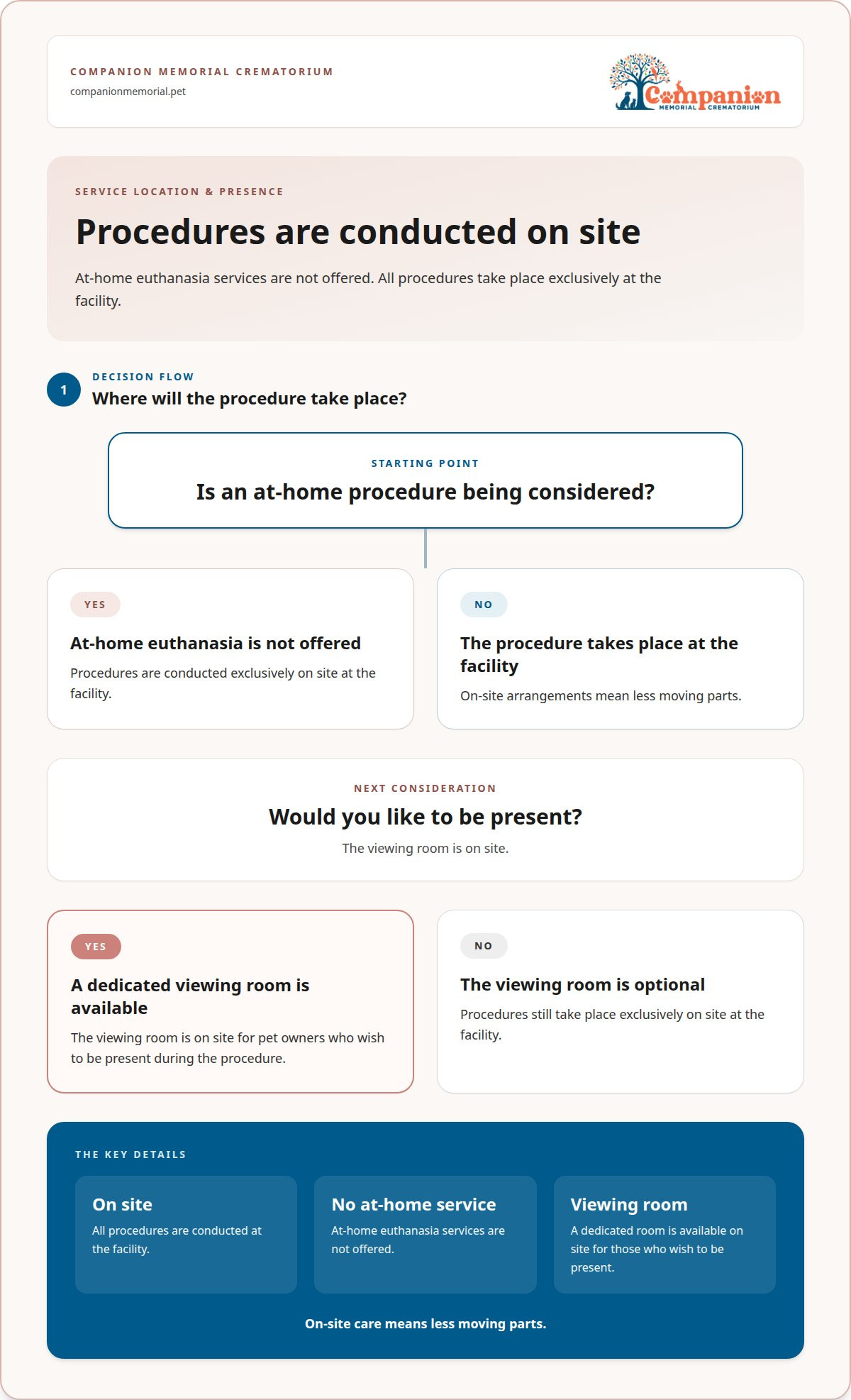
For pets who are suffering or have a significantly reduced quality of life, Companion Memorial Crematorium provides on-site euthanasia services at its facility, not at home. Families can say goodbye in a private setting, with a viewing parlor available for those who wish to be present.
When you’re ready to discuss cremation arrangements or the next steps for your pet, contact Companion Memorial Crematorium or visit companionmemorial.pet.
Let the inscription carry one lasting truth
An inscription doesn’t need to tell your companion’s whole story. It can hold one truth you want to keep close, while photographs, familiar places, and family stories preserve other memories. Choosing becomes less about finding a perfect sentence and more about recognizing words that feel true to your relationship.
Use these pet urn inscription ideas as a beginning, not a template. Read your preferred wording aloud, then consider how it feels beside your pet’s name. You might write a few versions and return to them later. The final choice can be simple, personal, and entirely your own.
If you’re ready to discuss memorial arrangements, contact Companion Memorial Crematorium. You can take the next step at your own pace, with your companion’s memory at the heart of it.
A few carefully chosen words can become a gentle place to return to whenever you want to remember the love you shared.
Frequently Asked Questions
Can I use my pet’s nickname on the urn?
Yes, you can use the nickname your family naturally used for your pet. If relatives knew your companion by different names, choose the one that feels most personal or pair it with the formal name, such as “Margaret, our Maggie.” Before finalizing, check spelling and capitalization, especially if the nickname has an unusual spelling. Reading it aloud can help you decide whether it sounds like the name you want to remember.
How Do You Say Rest in Peace for Pets?
You can express the sentiment in gentle, direct words such as “Rest peacefully,” “Sleep softly, dear friend,” or “Forever loved, forever remembered.” If “rest in peace” feels too formal, choose wording that suits your companion and family. For a bird, “May your song stay with us” offers a personal alternative. Keep the phrase respectful and easy to understand on its own.
How Many Words Fit on a Pet Urn?
There isn’t one fixed word count because engraving capacity depends on the urn’s material and available surface. Metal urns are listed for 80-120 characters, while smaller urns typically hold 50-100 characters. A short phrase may fit even when a longer sentence does not. Draft your preferred wording, count characters including spaces, then compare it with the urn’s stated engraving limit before submitting it.
How long should a pet urn inscription be?
A concise inscription is often easiest to read, especially on a small keepsake. Use one to three short lines as a practical layout, and keep each line around 8-10 words when space is limited. For example, “Daisy / Our bright little light” creates a clear two-line tribute. If you want a longer message, consider placing it on a nearby plaque instead of reducing the text until it becomes difficult to read.
Should I include my pet’s birth and death dates?
Include dates if they help tell your pet’s story, but they aren’t required for a personal memorial. Years alone can make a clean, compact inscription; full dates add detail if you have room and want to mark specific milestones. If you’re unsure of an exact date, don’t guess. Use the years you remember confidently or leave dates out and let the name and sentiment carry the tribute.
What Information Should You Include?
Start with the detail that will help your family recognize and remember your pet: a name, nickname, or phrase about your relationship. You can add birth and passing dates, a brief message, or a small symbol if it means something to you. For a shared family memorial, consider whether to use “my” or “our.” Keep only details that serve the tribute, then review every name and date before approving the final text.
What Is a Powerful Quote About Pets?
A powerful quote feels true to your bond, rather than chosen for popularity. An original line such as “Your quiet love changed every day” can honor your companion without borrowing another writer’s words. If you prefer a published poem or saying, select a brief passage your family already connects with your pet. Make sure the wording feels appropriate and fits the available space.
What Should You Write on a Pet Urn?
Write the name your family used, then add one thought that expresses what your pet meant to you. For instance, “Theo, our steady friend” keeps the message simple and personal. You might choose a nickname, a shared phrase, or a short description of a familiar habit. Read the inscription as a complete message, then remove any words that matter less than the memory you most want to preserve.


