
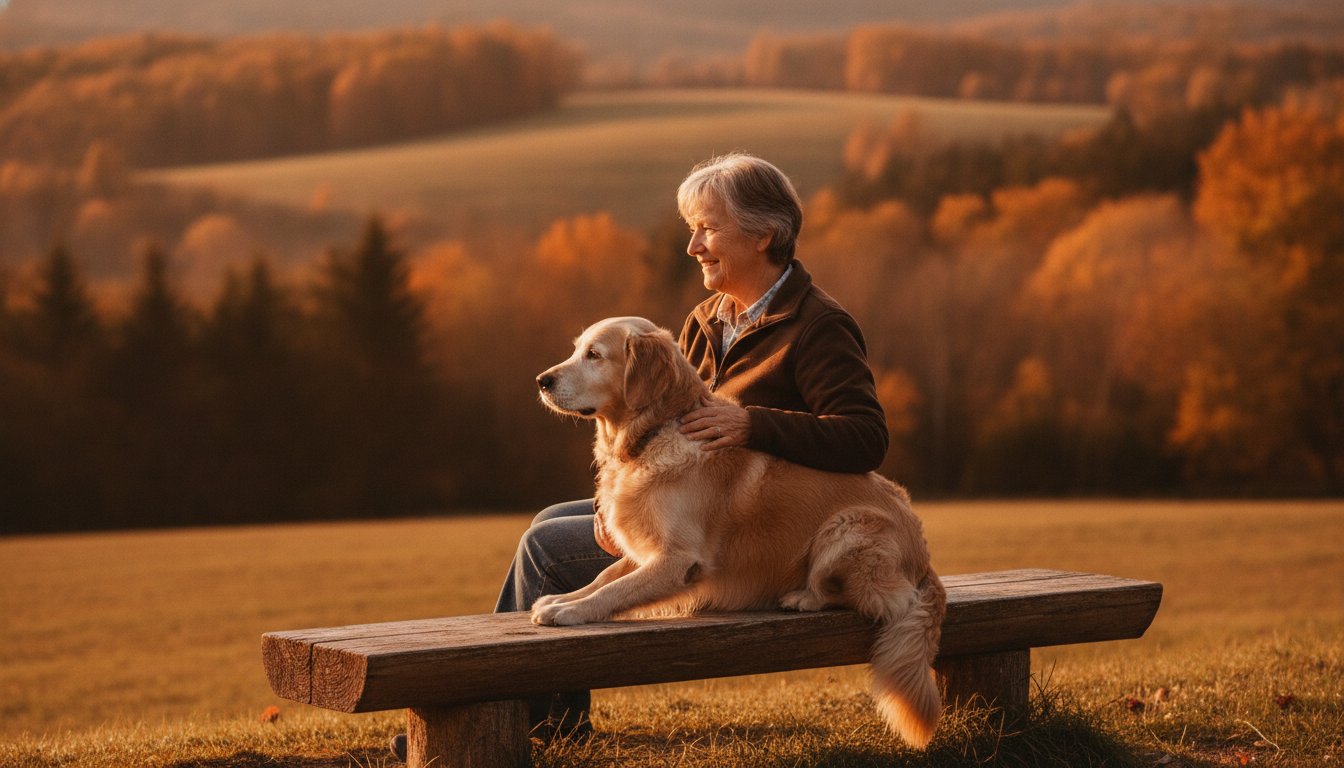
Research from 2026 indicates that for 21% of individuals who have experienced the loss of both a pet and a human, the death of their pet was the more distressing event. This statistic reflects a truth you likely already feel in your heart: your companion is a cherished family member, and the thought of their departure brings a unique and heavy grief. Learning how to say goodbye to a pet is a journey that requires immense courage, especially when you're balancing emotional pain with the need for practical decisions.
We're here to provide a steady, compassionate path forward, ensuring that your final moments together are defined by peace rather than anxiety or clinical coldness. You deserve a process that honors the bond you've shared with grace and professional solemnity. This guide will walk you through the steps of arranging a dignified farewell, from the quiet surroundings of on-site euthanasia to the respectful details of private cremation and lasting memorialization.
Key Takeaways
- Learn to assess your companion’s quality of life using supportive tools that help you identify subtle shifts in their comfort, appetite, and mobility.
- Discover how to say goodbye to a pet in a dedicated memorial setting that prioritizes quiet dignity and professional solemnity over the environment of a busy clinic.
- Understand the practical distinctions between private and individual cremation to ensure your pet’s aftercare reflects your family’s specific wishes.
- Gain guidance on communicating with family members and children to prepare every loved one for a respectful and peaceful final transition.
- Receive actionable advice for navigating the first 48 hours after a loss, including how to handle a pet’s belongings with grace and intentionality.
Recognizing the Time: Understanding Quality of Life
The decision to say goodbye is often the most difficult responsibility a pet owner faces. While we wish for a clear sign, the reality is usually a gradual fading. A Quality of Life scale serves as a helpful framework during this time. It isn't a definitive verdict, but rather a way to look objectively at your pet's daily experience. You might notice subtle shifts, like a dog who no longer greets you at the door or a cat that spends its days hidden away. These changes in mobility and social engagement are often more telling than physical pain alone.
To gain clarity, many families find peace in the "Good Days vs. Bad Days" calendar method. By marking each day with a simple color or symbol, you can see patterns that your heart might try to ignore. If the bad days begin to outnumber the good, it may be time to consider the final act of care. There is a profound mercy in the philosophy that it's better to be a week too early than a day too late; it ensures your companion's last memories aren't defined by distress.
The Emotional Weight of the Decision
Choosing to end suffering is a final act of stewardship. It's common to feel overwhelmed by caregiver burnout, where the physical and emotional toll of nursing a sick pet clouds your perspective. Consulting with your veterinarian provides a necessary anchor. They can offer a medical prognosis that helps in understanding the euthanasia process as a clinical yet deeply humane transition. It's a way to trade your pet's pain for your own grief, a selfless exchange rooted in love.
Honoring the Bond Before the End
Before the final transition, focus on intentional presence. This isn't about productivity or "fixing" the situation; it's about being. Some families create a bucket list, offering a favorite forbidden snack or a slow stroll in a cherished park. You might write a love letter to your companion, recounting the years of loyalty they gave. Capturing memories through paw prints or photography while they're still here creates a tangible connection for the days ahead. Knowing how to say goodbye to a pet with such intentionality often makes the eventual silence of the home easier to bear. These small acts of tribute ensure that the focus remains on the life shared rather than the illness that ended it.
Preparing for the Final Farewell: A Gentle Step-by-Step Guide
Once you've reached a place of clarity regarding your companion's quality of life, the focus shifts toward the practical and emotional architecture of the final day. Learning how to say goodbye to a pet is a process that benefits from a structured, intentional plan. This preparation isn't about rushing the end, but about ensuring the transition is as peaceful as possible for both your family and your pet. By making these choices in advance, you protect your future self from the burden of complex logistics during a time of acute grief.
Honesty remains the most compassionate approach when communicating with family members. Children, in particular, require age-appropriate language that avoids confusing euphemisms like "going to sleep," which can lead to anxiety. Resources focused on coping with pet loss suggest that involving children in the planning, such as choosing a favorite toy to accompany the pet, can provide a sense of agency and closure. Setting the scene in a dedicated memorial facility ensures a controlled, quiet environment, far removed from the sterile or rushed atmosphere of a traditional clinic.
Creating a 'Best Day Ever'
The final hours should be a celebration of the unique bond you share. Many families choose to offer "forbidden foods" that were previously restricted for health reasons. A final cheeseburger or a small piece of chocolate can be a moment of pure, simple joy for a dog, while a fresh piece of sashimi might delight a cat. If your pet's mobility allows, a visit to a favorite park or a few hours spent resting in a familiar sunbeam can provide a sense of normalcy. Surround them with their most cherished blankets and the people who have been their steady anchors throughout their life. This intentional presence creates a reservoir of gentle memories that will sustain you in the weeks to follow.
Practical Logistics and Pre-Planning
Deciding on aftercare arrangements before the appointment allows for a more focused and present farewell. You'll need to consider whether private cremation, where your pet is the sole subject in the chamber, or individual cremation with partitions, best aligns with your wishes. Choosing a memorial urn that reflects your companion's personality can be a healing act of tribute. For those in Ferndale, NY, and the surrounding regions of CT, PA, and NJ, arranging transportation to a professional facility ensures that your pet is handled with the highest level of respect from the very beginning. If you're feeling uncertain about these steps, our team can serve as steady, reliable guides to help you navigate each choice with dignity.
Choosing a Dignified Environment for the Final Transition
The setting in which you spend your final moments with a companion profoundly shapes the memory of their departure. While a traditional veterinary clinic is a place of healing, its busy atmosphere, echoing halls, and clinical smells can feel jarring during a time of deep sorrow. A dedicated memorial facility offers an alternative rooted in quiet dignity. It provides a sanctuary where the focus isn't on medical urgency, but on the sacredness of the bond you've shared. While resources like American Humane provide guidance on making the decision for pet euthanasia, the physical environment where that decision is carried out is equally vital for your emotional closure.
As a veteran-owned facility in Ferndale, NY, we bring a disciplined sense of honor and respect to every service we provide. This background ensures a high standard of solemnity, where every action is performed with intentionality and grace. We understand that learning how to say goodbye to a pet is a vulnerable experience, and our role is to protect that vulnerability by providing a space that feels safe, private, and profoundly respectful.
The Benefits of an On-Site Euthanasia Facility
A dedicated facility is designed specifically for goodbyes, offering a tranquil, non-clinical atmosphere that a standard animal hospital simply cannot replicate. You won't be interrupted by the noise of a waiting room or the bustle of other appointments. This privacy allows your family to grieve openly and without reservation. Choosing an on-site service also provides an immediate transition to aftercare. This reduces the logistical burden on you, as your pet remains in our care from the moment of passing through the final cremation process. Private viewing rooms are available to give you a safe, unhurried space for those initial, difficult moments of grief.
What to Expect During the Procedure
Understanding the medical process can help replace fear with a sense of peace. The procedure is a gentle, two-step process designed to ensure your pet feels no distress. First, a sedative is administered to help your companion drift into a relaxed state, much like a deep sleep. Once they're comfortable and unaware of their surroundings, the final medication is given. It's a painless transition that happens quickly and quietly. Our staff maintains a quiet, knowledgeable presence in the room, acting as steady guides who handle each detail with silent, respectful efficiency. This approach ensures that your final memories of your pet are defined by softness and reliability rather than clinical coldness.

Navigating Your Pet’s Final Aftercare Arrangements
The physical departure of a companion is only one part of learning how to say goodbye to a pet. The steps that follow are equally significant in honoring their memory. Aftercare provides a structured way to handle your pet's remains with the same level of respect they received during their life. For many families, this process begins with choosing a cremation method that aligns with their emotional needs and practical considerations. Selecting the right path ensures that your pet’s final journey is handled with the quiet dignity they deserve.
Understanding Cremation Types
Clarity in aftercare ensures that your choices are rooted in comfort rather than confusion. We offer three distinct paths for those seeking a dignified resolution:
- Private Cremation: This option guarantees that your companion is the only pet in the cremation chamber. It's the most personalized choice, ensuring that the ashes returned to you are exclusively those of your beloved friend.
- Individual Cremation: In this process, multiple pets are present in the chamber but are kept completely separate by physical partitions. This allows for the return of your specific pet’s remains while managing costs more effectively than a fully private service.
- Group Cremation: This is a communal, respectful option where pets are cremated together. It's often chosen by families who don't wish to have ashes returned but still want their pet handled with professional solemnity.
Our veteran-owned facility maintains a standard of strict transparency throughout every stage. We utilize professional tracking systems to ensure the integrity of your pet's remains from the moment they enter our care. This disciplined approach provides the chain-of-custody peace of mind that every grieving owner deserves. It feels like a calm, knowledgeable presence guiding you through a difficult choice, ensuring that every detail is carried out with silent, respectful efficiency.
Memorializing Through Urns and Tributes
Selecting a final resting place is a deeply personal act of tribute. Whether you prefer the warmth of a wooden chest, the timeless elegance of a ceramic vessel, or a biodegradable urn for a natural return to the earth, the choice should reflect your pet's unique personality. Placing these memorials in a prominent area of your home can help soften the transition by maintaining a tangible connection to the years you shared. Along with the urn, you'll receive an official cremation certificate. This document serves as a verified record of the care provided, standing as a lasting testament to your pet's dignified farewell. If you're ready to discuss these arrangements, we're here to offer private cremation services with the highest level of professional integrity.
Finding Peace and Support After the Loss
The silence that follows a departure is often the heaviest part of the journey. In the first 48 hours, "silent house" syndrome can make every room feel unfamiliar and empty. You've learned how to say goodbye to a pet through the transition itself, but now you must learn how to live with the physical absence. This period requires patience with yourself and a commitment to honoring the bond you shared through intentional acts of remembrance. It's a time for quiet reflection rather than rushed decisions.
Immediate Steps After Passing
Deciding what to do with a pet's belongings is a deeply personal choice. You don't need to clear the house immediately. When you feel ready, you might choose to keep a favorite toy or collar while donating larger items like bedding and unopened medication to local shelters in NY or PA. Establishing a small remembrance corner in your home provides a dedicated space for reflection. Placing the urn alongside a cherished photograph creates a focal point for your grief, allowing it to transform into a sense of lasting tribute. If you have other animals in the home, allow them a moment to sniff the remains before the final aftercare. This simple, respectful act helps them understand the loss, often preventing the anxious searching that occurs when a companion simply disappears.
Long-Term Grief Support
Grief doesn't follow a predictable timeline. Sometimes, the weight of the loss requires more than personal reflection. Connecting with pet loss support groups throughout the Tri-State area of NY, CT, PA, and NJ can provide a vital sense of community. Sharing stories and photos with others who truly understand the depth of the human-animal bond is a powerful tool for healing. If you find that your sadness interferes with your daily life, seeking professional bereavement support is a courageous step toward finding peace. Sharing your experience with others who have walked this path helps to validate the intensity of your feelings.
Positioning your pet's legacy through a donation to an animal charity or a memorial marker in a garden ensures their impact continues. At Companion Memorial, we view our role as more than just a service provider. We're a partner in a difficult journey, offering a steady, reliable hand as you navigate the complexities of loss. Even after the final arrangements are complete, our commitment to your pet's dignity and your family's closure remains unwavering. Honoring a life is a continuous process, and we're honored to have served as your guides during this sacred transition.
Honoring a Lifetime of Loyalty
Moving from the daily joy of companionship toward the finality of loss is a profound act of stewardship. You've explored how to evaluate quality of life with objectivity and learned how to say goodbye to a pet in a way that prioritizes their comfort over clinical efficiency. By choosing a dedicated memorial setting and planning aftercare in advance, you ensure that your companion's final journey is defined by peace and professional solemnity rather than stress.
As a 100% veteran-owned and operated facility, we bring a disciplined sense of honor to families throughout NY, CT, PA, and NJ. We provide official cremation certificates for every private service, ensuring a transparent chain of custody that brings you peace of mind during a difficult time. You don't have to navigate this path alone; we're here to act as steady, reliable guides for your family. Learn more about our dignified on-site euthanasia and private cremation services as you prepare to honor your companion’s lasting legacy. May you find comfort in the memories you've built together.
Frequently Asked Questions
How do I know if it's truly time to say goodbye to my pet?
Knowing when to say goodbye is a deeply personal decision rooted in your pet's daily comfort and joy. You should look for objective signs such as chronic pain that medication no longer manages, a persistent loss of appetite, or an inability to stand without distress. Many families find clarity by using a quality of life scale to track whether their companion is experiencing more difficult hours than peaceful ones.
Is it better to be present during the euthanasia or step out?
Deciding whether to stay during the procedure is a choice that depends entirely on your emotional needs and comfort. Many owners find that their presence provides a final sense of security for the pet, while others prefer to say their farewells beforehand to remember their companion in a more vibrant state. Our staff will support your choice with professional solemnity, ensuring you feel no pressure during these final moments.
What is the difference between private and individual cremation?
The primary distinction lies in how your pet is placed within the cremation chamber. In a private cremation, your companion is the sole pet in the chamber throughout the entire process. Individual cremation involves multiple pets in the chamber at once, but they're kept strictly separate by physical partitions to ensure you receive only your specific pet's ashes. Both options are handled with the highest level of respect.
Can I bring my pet's favorite blanket or toy to the facility?
Yes, we encourage you to bring items that provide a sense of familiarity and peace for your companion. Bringing a well-loved blanket or a cherished toy can help create a tranquil environment filled with the scents your pet knows best. These items can stay with your pet during the transition to offer them a final layer of warmth and security as you learn how to say goodbye to a pet.
How long does the cremation process usually take at Companion Memorial?
The timeline for the return of your pet's remains typically ranges from three to seven business days. This duration ensures that every step of the process is carried out with the thorough, unhurried care that our veteran-owned facility is known for. We'll contact you personally as soon as the ashes and any memorial items are ready for you to bring home.
Do you provide a certificate to prove I received my pet's ashes?
We provide an official cremation certificate with every private and individual service to maintain a standard of strict transparency. This document serves as a formal record of the care your pet received and confirms the integrity of the chain of custody throughout the process. It's a vital part of our commitment to being a steady, reliable guide for families during their time of loss.
What should I tell my children about our pet passing away?
It's best to use clear, honest language that helps children understand the reality of death without creating unnecessary confusion. You should avoid euphemisms like "went to sleep," as this can lead to anxiety about their own bedtime. Explain that the pet's body has stopped working and they aren't in pain anymore, which allows the child to process the loss at their own pace.
Does Companion Memorial offer services for exotic pets like birds or rabbits?
Yes, we provide dignified aftercare and on-site euthanasia for a wide variety of companion animals, including birds, rabbits, and other small exotic pets. Every animal that shares a bond with a family deserves a respectful and professional farewell. We apply the same high standards of quiet dignity to every pet we care for, regardless of their species or size.


